Why It Helps When One Company Dries Out and Rebuilds
When the same crew handles the dry-out and the rebuild, nothing gets lost between the two jobs.
October 6, 2026 · 4 min read
Most property damage jobs have two halves. First the building has to be made dry, clean and safe. Then it has to be put back together. Plenty of homeowners end up hiring one company for the first half and a different one for the second, and they become the go-between. Sometimes that works out fine. Often it creates gaps, and the gaps cost time.
The handoff gap
When two companies work in sequence, something has to pass from one to the other: what was removed, what was kept, what readings the drying showed, and what the insurance company has already approved. If that information is incomplete, the second company starts by re-checking everything, and sometimes disagrees with the first.
There is also a scheduling gap. The restoration crew finishes, then you start calling contractors, waiting for estimates and waiting for an opening. Meanwhile your kitchen, bedroom or basement sits open. A company that does both can move from drying to rebuilding without that dead space in between.
The crew that cut it out knows what goes back
Restoration is partly about deciding what to cut. A crew cuts drywall at the flood line, pulls baseboards, lifts flooring in a grid, and removes the materials that cannot dry. That decision shapes the rebuild. How much drywall comes back, how much insulation needs replacing, and whether the subfloor is sound are all known by the people who were standing there.
When the same company does the rebuild, there is no need to guess from photos. The crew that opened the wall can see exactly what is behind it, and they know the moisture readings that told them it was safe to close it up.
Dry-out decisions affect the rebuild
A dry building is not just a clean building. Closing walls over materials that are still damp is how mold gets a second chance. A company that is responsible for both halves has a reason to get the drying right, because the rebuild is theirs too. They are not leaving a problem for someone else to find later.
- Drying is confirmed with moisture checks before walls are closed.
- Materials that cannot be saved are removed completely, not patched.
- Replacement work matches the scope that was documented at the start.
One scope, one record
Insurance claims run on documentation. The more consistent that documentation is from the first photos through the final repairs, the easier the claim is to follow. When one company takes the photos, writes up the work and does the repairs, there is one account of what happened rather than two that have to be reconciled.
Complete Restoration & Construction works directly with your insurance company, and the crew documents the damage with photos during the first inspection. Your policy decides what is covered, but having a single company explain the work from start to finish tends to keep things clear.
Framing, roofing and finish work under one roof
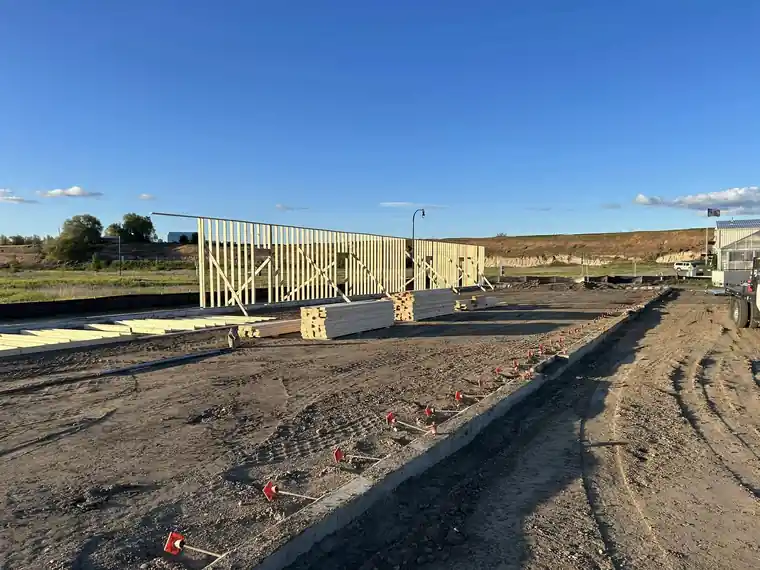
Complete Restoration & Construction is a restoration company and a general contractor. On the restoration side that means water extraction, structural drying, mold remediation and fire and smoke cleanup. On the construction side it means demolition, framing, roof repair, and commercial and new construction.
That range matters after a loss. A house fire can take out roof sheathing and wall framing. A water loss can mean new flooring and a rebuilt kitchen. One Google reviewer described a full kitchen gut and rebuild finished in less than a week. A company that already frames, roofs and finishes does not need to bring in a stranger for the next phase.
When separate companies make sense
To be fair, there are cases where you might hire separately. You may already have a contractor you trust, or the rebuild may be a large remodel that goes well beyond the damage. That is your call, and a good restoration company will still document its work clearly so your contractor can pick up from there.
If you do split the work, ask a few questions up front. They are worth asking even if you hire one company for everything.
- Who documents the drying readings, and will I get a copy?
- Who decides what gets removed and what stays?
- Who talks to my insurance company, and about what?
- When can the rebuild start once the building is dry?
- Who is responsible if a problem shows up behind a closed wall?
If you have water, fire or mold damage in the Yakima Valley and want to talk through both the dry-out and the rebuild, call Complete Restoration & Construction at (509) 388-1175. The office is open Monday through Friday, 8am to 5pm, and emergency response is available 24/7/365.
Complete Restoration & Construction, LLC, (509) 388-1175
Call (509) 388-1175More articles
Flooded Basement: What to Do in the First Hour
The first hour is about keeping yourself safe and stopping more water from getting in, and everything else can wait for the right equipment.
How to Document Water or Fire Damage for an Insurance Claim
The pictures you take before anything is moved or thrown away are the strongest record of what was lost.