How to Document Water or Fire Damage for an Insurance Claim
The pictures you take before anything is moved or thrown away are the strongest record of what was lost.
October 6, 2026 · 4 min read
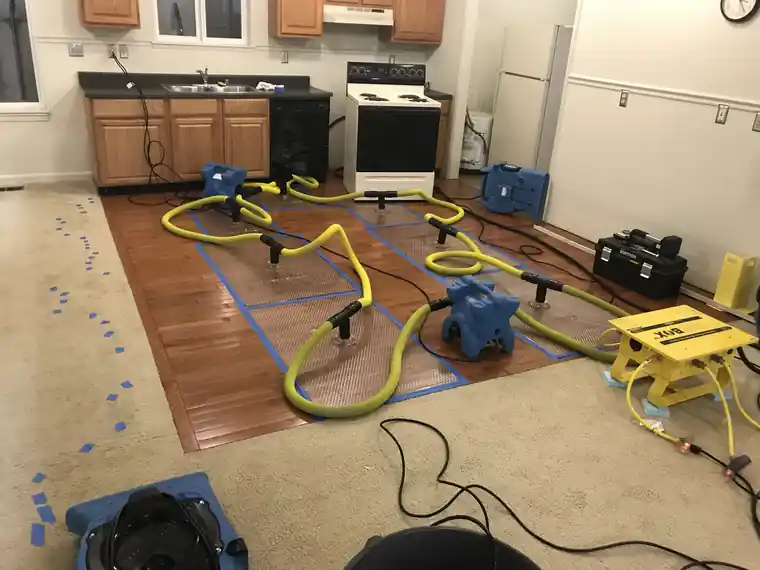
After a pipe bursts or a fire goes out, the instinct is to start cleaning. That is understandable, and it is also how people lose the evidence they need later. An insurance company wants to see what the damage looked like before anyone touched it. A clear record from day one makes the whole claim easier to explain, and it is something you can start doing in the first few minutes, with nothing but your phone.
Photograph first, clean second
Before you move furniture, pull carpet or throw anything away, take pictures. Start wide, so the room is clear in the frame, then move closer to the details. Do this for every affected room, even the ones where the damage looks minor. Water travels, and smoke travels further, and the room that looks fine today can turn out to be the one with a wet wall tomorrow.
It helps to take a slow video walkthrough as well. Talk as you go: which room, what happened, what you see. A video catches things a photo series can miss, and your voice adds notes you will not remember a month from now.
What to capture
- Every affected room from the doorway and from the opposite corner.
- The source of the damage, such as the broken pipe, the failed appliance or the area of the fire.
- Waterlines on walls, stains on ceilings, warped floors and swollen cabinets.
- Soot and smoke staining on walls, ceilings, windows and in the corners of rooms.
- Each damaged belonging, close up, including any labels, model numbers or serial numbers.
- Items you are about to throw away, photographed where they sit before they are moved.
- The outside of the house, including the roof, siding and any boarded or tarped areas.
What an adjuster looks for
An adjuster is trying to answer a few plain questions. What happened? How far did it spread? What was damaged, and what can be repaired instead of replaced? Photos that show the cause, the extent and the specific items answer those questions faster than a written list can.
They also look for a timeline. When did you find it, when did you call, and what did you do to keep it from getting worse? Many policies expect you to take reasonable steps to prevent more damage, like shutting off water, covering a broken window or having water extracted. Read your policy to see what yours says. Your insurance company decides what is covered, and your adjuster can tell you what they need to see.
Keep the receipts, the notes and the damaged items
Keep every receipt from the first day on. That includes emergency repairs, hotel stays if you cannot sleep at home, meals, and any supplies you buy. Put them in a folder or an envelope, or photograph each one as you get it. Whether a particular expense is covered depends on your policy, so ask about it before you assume.
Start a simple log too. Write down the date and time you noticed the damage, who you called and when, the name of everyone you spoke with at your insurance company, and what they told you. A page of notes written as it happens is far more useful than your memory three weeks later.
Soaked carpet and ruined drywall have to come out so the building can dry, and a restoration crew will remove them. But personal belongings are different. Hold on to damaged items, or at least photograph them thoroughly, until your adjuster has seen them or told you it is fine to discard. If something has to go for safety or sanitary reasons, such as items that touched sewage or heavily contaminated water, photograph it first and tell your insurance company.
How CRC helps with the claim
Complete Restoration & Construction works with insurance companies as a regular part of the job. During the first inspection, the crew takes photos for your insurance company as they assess the damage, and the company deals with your insurance company directly so you are not relaying every detail yourself.
Jesus Gonzalez, who runs the crews, holds a Washington State Office of the Insurance Commissioner independent adjuster license for property and casualty lines, and he holds The Institutes' Associate in Claims designation. In practical terms, that means the person overseeing your job understands how claims are documented and what the paperwork needs to say. It does not replace your own insurance company's adjuster, and it does not change what your policy covers. It just means fewer gaps in the record.
Report the loss promptly. Ask what your policy requires, whether they have a preferred process for emergency work, and how they want photos and receipts sent. You are allowed to choose your own restoration company, and getting the building dried quickly protects you whatever the claim ends up looking like.
If you have water or fire damage in the Yakima Valley and you are not sure where to start, call Complete Restoration & Construction at (509) 388-1175. The office is open Monday through Friday, 8am to 5pm, and emergency response is available 24/7/365.
Complete Restoration & Construction, LLC, (509) 388-1175
Call (509) 388-1175More articles
Flooded Basement: What to Do in the First Hour
The first hour is about keeping yourself safe and stopping more water from getting in, and everything else can wait for the right equipment.
Why Mold Comes Back After a DIY Cleanup
Mold comes back when the moisture is still there, the hidden growth was missed, or the cleanup spread spores around the house.